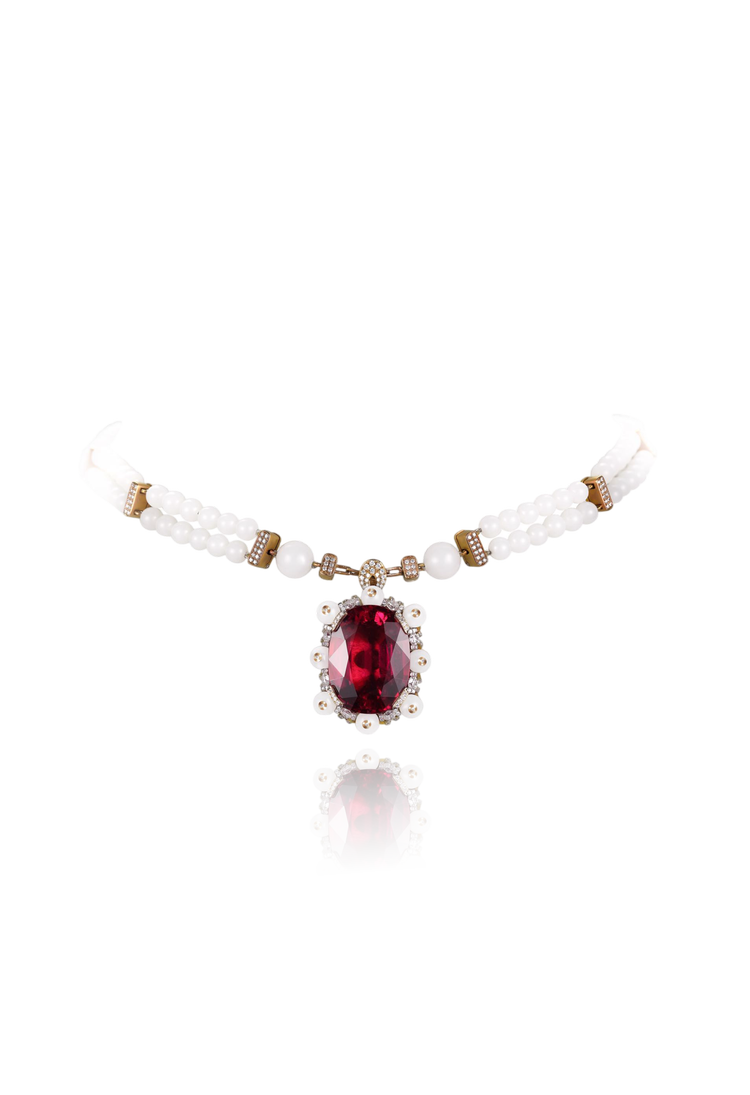
What Makes Jewelry Collectible? Definition, Criteria, and the Role of Gemstones
Jewelry has captivated hearts for centuries—not only as personal adornment but also as cherished keepsakes, storied heirlooms, and coveted investments. But what makes a piece of jewelry "collectible"? Is it the shimmer of rare gemstones, the legend behind the crafter, or the unique story each piece tells? In this guide, we’ll explore the definition of collectible jewelry, uncover the key criteria that elevate a piece to collectible status, and reveal how gemstones play a vital role in this glittering world.
---
What is Collectible Jewelry?
Collectible jewelry refers to pieces that possess significant artistic, historical, or intrinsic value, making them sought-after items among collectors and enthusiasts. Unlike mass-produced or generic jewelry, collectible pieces often represent milestones in craftsmanship or design. They may have limited availability, fascinating backstories, or unique characteristics that set them apart.
At its core, collectible jewelry isn’t just about monetary value—it’s about cultural significance, rarity, and the stories encapsulated within each piece. From antique Victorian brooches to limited-edition designer rings, collectible jewelry spans eras and styles but shares core attributes that attract devoted collectors worldwide.
---
Key Criteria for Collectibility in Jewelry
Certain factors determine whether a jewelry item is worthy of being called "collectible." These criteria help collectors and appraisers assess the potential desirability and long-term value of a piece.
**Rarity and Exclusivity**
One of the most important hallmarks of collectible jewelry is rarity. Pieces produced in limited numbers, discontinued designs, or one-of-a-kind creations all score high on the collectibility index. Jewelry that is hard to find increases demand, making it even more desirable among collectors seeking exclusivity.
**Artistic Craftsmanship and Design**
Exceptional craftsmanship is another key. Jewelry designed and made by master artisans or renowned houses—think Cartier, Van Cleef & Arpels, Tiffany & Co.—often commands respect and high prices. Designs that represent particular historical movements, such as Art Deco’s geometric boldness or the ornate beauty of Victorian pieces, are especially prized. Even among contemporary works, handcrafted details and distinctive aesthetics enhance collectibility.
**Quality of Materials**
Collectible jewelry nearly always features high-quality materials. Precious metals like gold, platinum, and sterling silver are classic choices, but true collectible pieces will use these in their best forms. Gemstones—whether diamonds, rubies, emeralds, sapphires, or rare colored stones—should be genuine and of exceptional quality. The authenticity and grade of these materials play a significant role in a piece’s desirability and value.
**Provenance and Story**
Every piece of jewelry tells a story, but some narratives are more captivating than others. Provenance—the documented history of ownership—can dramatically boost collectibility, especially if a piece was owned by royalty, celebrities, or notable historical figures. Signed pieces, original packaging, and any supporting documents further strengthen a piece’s legacy and value.
**Condition and Preservation**
Even the most extraordinary jewelry can lose value if it isn’t well cared for. Condition matters: items in mint condition, with all original parts and minimal wear, are far more collectable. Proper restoration can help, but excessive modification often lowers value. The best collectible pieces are as close to their original state as possible, making documentation and careful handling essential to preserving their allure.
---
The Role of Gemstones in Collectible Jewelry
Gemstones are the beating heart of many collectible jewelry pieces. Their rarity, quality, and history can transform an ordinary piece into an object of enduring fascination.
**Rarity and Value of Gemstones**
High-quality gemstones—especially those with exceptional color, clarity, and size—are universally coveted. Natural diamonds, rubies, sapphires, and emeralds are perennial favorites, but unusual or scarce gemstones like alexandrite, Paraiba tourmaline, and untreated colored diamonds have become highly collectible due to their rarity. The origin of a gemstone (such as Kashmiri sapphires or Burmese rubies) further influences desirability.
**Quality Factors: Cut, Clarity, Color, and Carat**
The “Four Cs”—cut, clarity, color, and carat weight—comprise the primary value drivers for gemstones in collectible jewelry. A beautifully cut gem that maximizes light and color, with few inclusions, vibrant hue, and notable weight, will always command attention from collectors. These factors underscore the uniqueness of a piece and its investment appeal.
**Famous Gemstones and Iconic Jewelry Pieces**
Many iconic collectible jewelry pieces are anchored by legendary gemstones. The Hope Diamond, Cartier’s Tutti Frutti bracelet, and the Duchess of Windsor’s emerald engagement ring are just a few examples of pieces where a gemstone is the centerpiece of story and value. Collectors are drawn to such pieces for their history and grandeur as much as for their aesthetics.
**Gemstones as an Investment Aspect**
Rare gemstones can appreciate over time, especially when sourced ethically and maintained in superb condition. Collectors often buy jewelry as both a passion and a potential investment, knowing that rare gems can outperform other asset classes in terms of value retention or appreciation.
---
Trends and the Evolving Definition of Collectible Jewelry
As with fashion, the world of collectible jewelry evolves. What’s deemed collectible today can shift with cultural trends, new discoveries, and shifts in market interest.
**Modern Collectibles: Contemporary Designers and Materials**
While antique and vintage jewelry have always been mainstays, contemporary collectible jewelry is rising rapidly. Modern designers experimenting with innovative materials—such as titanium, mokume-gane, or responsibly sourced gems—are redefining what it means to collect jewelry. Unique collaborations and one-off bespoke creations by cutting-edge artisans are fast becoming tomorrow’s classics.
**Market Demand and Influence**
Demand plays a crucial role in shaping collectibility. Pieces from iconic designers or those featured in major exhibits and auctions tend to generate more buzz and higher prices, reflecting the shifting landscape of collector desires. Social media and online marketplaces allow emerging designers and niche genres to achieve cult collectible status.
**Sustainability and Ethical Considerations**
Ethics and sustainability are increasingly important to collectors. Jewelry featuring conflict-free gemstones, fairmined metals, and environmentally conscious production is gaining recognition among ethically minded collectors. Such considerations add a modern layer of value beyond aesthetics and history.
---
Tips for Identifying and Collecting Jewelry
Ready to start your own collection or upgrade your eye for collectible jewelry? Here are some practical tips:
**Research Designers and Styles:**
Educate yourself about renowned designers, jewelry houses, and historic periods. Resources like catalogs, online archives, and museum exhibits can be invaluable.
**Recognize Hallmarks and Certifications:**
Look for maker’s marks, signatures, and certification from respected authorities (such as GIA or AGS for gemstones). These can verify origin and authenticity, essential for collectibility.
**Seek Professional Appraisal and Authentication:**
Before purchasing, consult with certified gemologists or jewelry experts for appraisals and authentication. This protects your investment and ensures you’re truly acquiring a collectible item.
**Focus on Quality and Documentation:**
Always favor jewelry in excellent condition, with its original parts and any supporting paperwork. These factors will help maintain and even increase long-term value.
---
Conclusion
Collectible jewelry exists at the intersection of artistry, history, rarity, and beauty. Whether it’s a century-old brooch set with a rare sapphire or a contemporary ring handcrafted by an emerging designer, what makes jewelry collectible is a blend of expert craftsmanship, precious materials, compelling stories, and, often, exceptional gemstones. As the definition of collectible continues to evolve, these key criteria will help guide new and seasoned collectors alike toward pieces that not only delight the senses but also stand the test of time. Happy collecting!